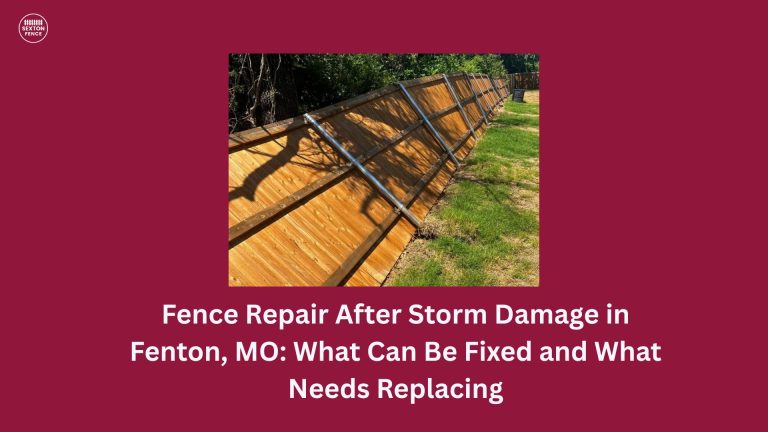
Failure of one fence post can cause the whole line to sag or collapse, so you should inspect for rot, leaning, or loose fasteners and replace the post promptly to restore stability and prevent larger damage.
Key Takeaways:
- A single rotten or loose post can shift tension and weight to neighboring posts and panels, causing sagging, leaning, or progressive failure if left unaddressed.
- Post spacing and the presence of brace posts determine whether one failure spreads; closely spaced, well-braced fences localize damage while widely spaced or unbraced systems allow collapse to propagate.
- Regular inspection and timely replacement of damaged posts, along with proper footings, hardware, and rot-resistant materials, prevent localized issues from turning into whole-fence failures.
The Engineering of a Fence: How Posts Support the System

Structure relies on posts to channel lateral and vertical loads into the soil, so you should inspect posts regularly; a single damaged post can induce panel rotation, sagging, and eventual section failure.
The role of posts as primary load-bearing anchors
Posts act as the primary anchors; you secure rails and hardware to them, and a rotten or loose post will shift loads unevenly, creating stress points that accelerate collapse.
Understanding tension and weight distribution across rails
Rails distribute tension and weight between posts, so you must ensure proper fastening and spacing; uneven rails force one post to bear excessive load, increasing risk of system failure.
Tension across rails creates a continuous load path, so you must balance span length, fastener stiffness, and post spacing. If one post weakens, adjacent posts pick up extra shear and bending; wind, sag, and rot amplify those forces. You can mitigate failure with stronger end posts, diagonal bracing, and proper concrete footings, plus routine checks.
Common Causes of Individual Post Failure
Multiple factors can make a single post fail, such as subsurface rot, impact damage, or soil movement that shifts load to adjacent posts; you may notice leaning and sagging quickly spread once one post compromises the line.
Subsurface rot and environmental decay
Wood buried in wet soil develops subsurface rot that reduces load capacity from the inside out, so you might not spot weakness until the post snaps or loosens under stress.
Soil instability and frost heave displacement
Freezing soil expansion and thaw contraction produce frost heave that shifts posts, so you will observe leaning, gaps, and loosened fasteners after winter cycles.
Observe how clay soils, poor drainage, or a high water table increase the risk of repeated movement; if you have those conditions, severe heave can crack rails and create safety hazards. To reduce movement, set posts below the frost line, use gravel backfill with good drainage or concrete collars, and consider flexible post fittings; you should monitor and correct leaning early to prevent progressive failure.
Identifying Early Warning Signs of Post Instability
Spotting subtle movement, sagging rails, or loose posts shows a single weak post can compromise the line; you should check for leaning posts and shifting soil to prevent progressive failure.
Visible leaning and ground-level gaps
Check for ground-level gaps and leaning posts; when panels pull away you can see misalignment and widened footing, signaling that the post is losing support and the fence segment may fail.
Identifying wood rot and hardware corrosion
Inspect post bases for soft wood, fungus, or rusted bolts; you should probe for advanced rot or corroded anchors that reduce load capacity and speed failure.
Probe the base with a screwdriver and look for spongy, discolored wood, visible fungi, or metal pitting; if you find rot extending above the ground line or corroded anchors, the post likely needs replacement because repairs rarely restore full strength.
Strategic Repair vs. Full Fence Replacement
Decide whether a single post repair restores alignment; you can often save time and money by reinforcing one compromised post unless adjacent posts lean or show rot, which indicates systemic failure demanding full replacement.
Methods for reinforcing a single compromised post
Brace the post with steel brackets, concrete encasement, or a sister post to restore rigidity quickly; you should use galvanized hardware and compacted concrete to prevent repeat failure.
Assessing when structural damage is beyond localized repair
Inspect surrounding posts, fence line straightness, and post spacing; if more than one post leans, you see cracked concrete, or panels pull away, you need a full replacement.
Consider the extent of decay, distance between failed posts, and soil conditions; if rot extends below ground or posts shift after heavy wind, you face compromised structural integrity and should opt for replacement to avoid recurring costs.
To wrap up
Yes, one bad fence post can cause the whole fence to fail if the problem is left unaddressed for too long. A single weak, rotted, or loose fence post can throw off the support of nearby rails and panels, which often leads to sagging sections, leaning fence lines, and growing structural stress across the rest of the fence. What starts as one damaged post can quickly turn into a larger fence repair issue, especially when weather, soil movement, and age are already affecting the surrounding structure. That is why early inspection and fast repairs matter. Replacing a failing post in time can help protect the rest of the fence, extend its lifespan, and prevent more expensive repairs later.
If your fence is showing signs of leaning, sagging, or post movement, Sexton Fence can help you identify the problem before it spreads. Our fence contractor team provides professional fence repair and fence installation services designed to restore strength, improve appearance, and protect your property long term. Whether you need help replacing one damaged fence post or determining if a larger section needs attention, Sexton Fence is ready to provide dependable service and lasting results.