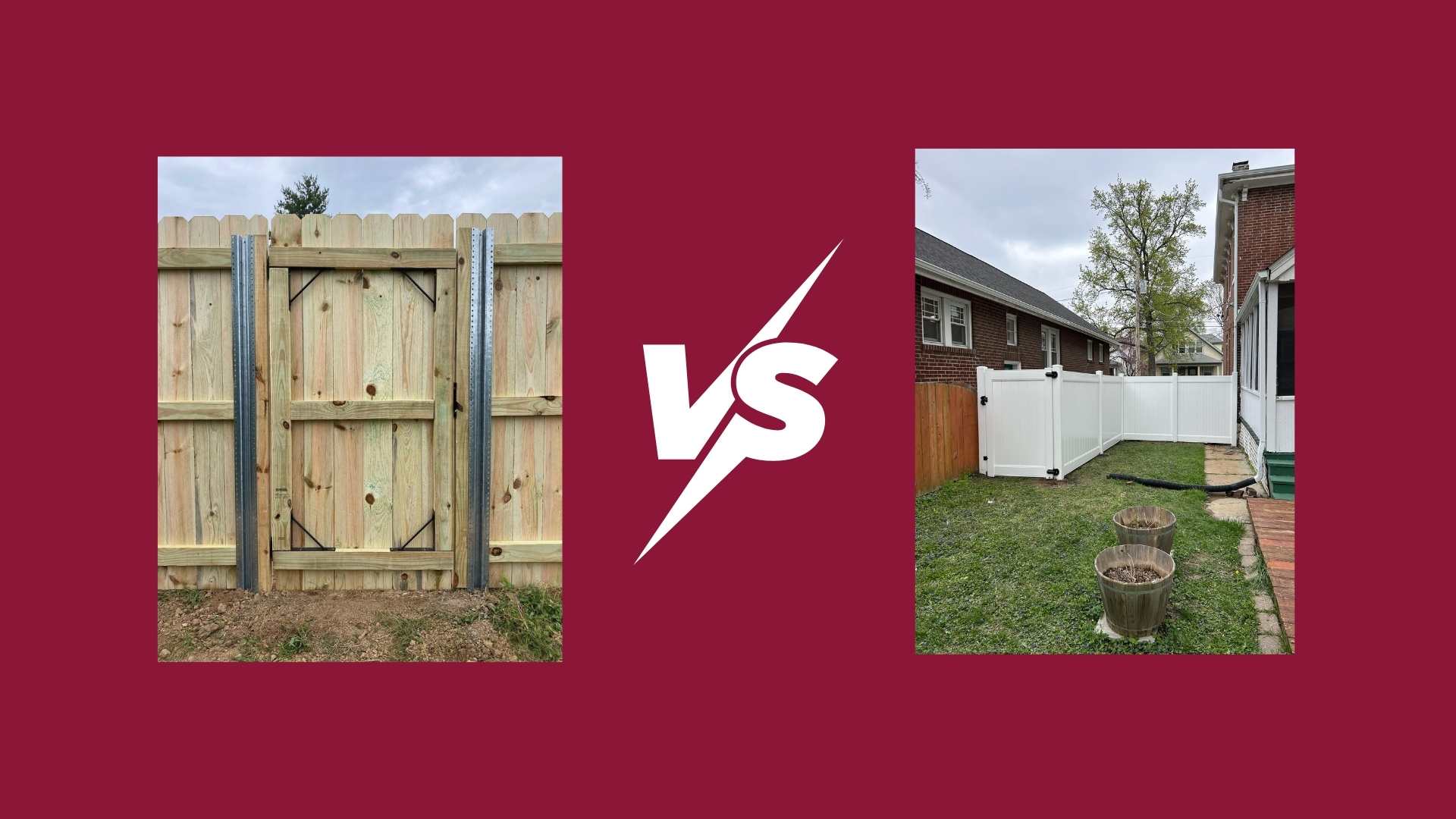
Many homeowners in St. Louis weigh cost and maintenance; you should know wood is cheaper upfront but can rot without staining, while vinyl resists moisture yet may crack in extreme cold, raising long-term costs.
Key Takeaways:
- Wood fences typically last 15-25 years in St. Louis with regular staining/sealing and board/post replacement; vinyl fences can last 25-40+ years but performance depends on UV-stabilized formulations and proper installation to resist freeze-thaw ground movement and storm impact.
- Upfront cost for vinyl is usually 1.5-2× higher than wood, while lifetime cost for wood rises with routine staining (every 2-3 years), rot/termite repairs, and post replacement-add labor, disposal, and gate hardware to real costs for both materials.
- Contractors often omit warranty limits and installation sensitivity: poor footing or grading causes both materials to fail early, vinyl warranties are often prorated or voided by improper installation, and real maintenance for “low‑maintenance” vinyl includes cleaning, repair of cracked panels, and occasional panel replacement.
The St. Louis Climate Impact on Fencing
St. Louis summers bring high humidity and intense sun while winters deliver freeze-thaw swings, so you should weigh how each material handles moisture and thermal stress to avoid surprise repairs.
High Humidity and Wood Rot Risks
Wood soaks moisture in humid months, raising the chance of rot and mold; you should plan for regular sealing, faster replacement cycles, or choose a low-maintenance material.
Impact of Freeze-Thaw Cycles on Post Stability
Freeze-thaw cycles can heave posts and loosen concrete, so you should expect shifting and use deeper footings and improved drainage to limit movement.
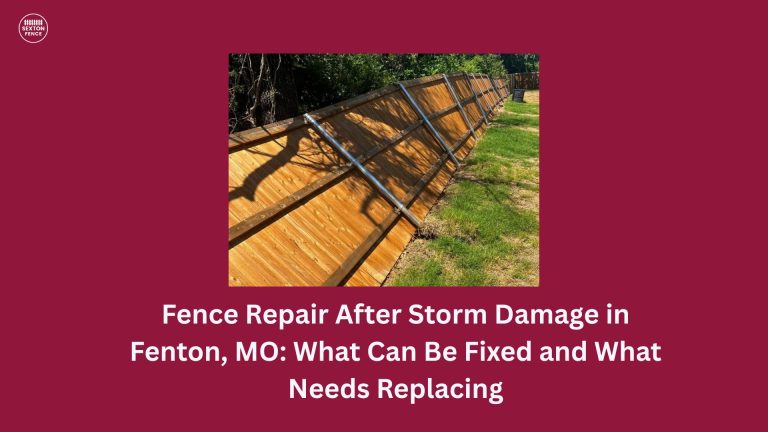
When frost lifts saturated soil, posts can heave several inches and torque fence rails; you should set posts below the local frost line, compact a gravel drainage base, use air-entrained concrete for freeze resistance, and consider metal sleeves or adjustable brackets to reduce long-term movement and simplify future repairs.
Wood Fencing: The Traditional Choice
Wood fencing remains common in St. Louis; you gain a natural look and lower upfront cost, but you also face rot, warping, and insect damage and must routinely seal or paint to preserve strength and curb appeal.
Comparing Cedar vs. Pressure-Treated Lumber
Compare cedar’s natural rot resistance and attractive grain to pressure-treated lumber’s lower price and chemical protection; you choose cedar for less frequent maintenance, or pressure-treated for lower upfront cost.
Cedar vs Pressure-Treated: Quick Comparison
| Cedar | Pressure-Treated |
|---|---|
| Higher initial cost | Lower upfront price |
| Better natural rot resistance | Chemically treated to resist decay |
| Less frequent staining | More frequent sealing or replacement |
| Premium appearance | Functional, utilitarian look |
The Reality of Ongoing Maintenance Costs
Expect staining or sealing every 2-3 years, occasional board replacement, and periodic gate or fastener repairs; you’ll absorb labor and material costs, with moisture-driven decay and pests often causing the biggest expenses.
Beyond routine finishes, you should plan inspections each season, budget for board replacements within 5-15 years depending on exposure, and factor in gate hardware, fastener corrosion, and disposal fees; contractors sometimes omit these when quoting, so include long-term upkeep in your comparison to avoid surprise costs and structural issues from unchecked rot or termite damage.
Longevity Realities Contractors Often Downplay
Contractors downplay how maintenance affects lifespan; you should expect rot, warping, or staining to drive costs. See the Comparing Vinyl vs. Wood Privacy Fence Guide for real-world numbers. Expect shorter wood life without regular upkeep; vinyl resists many issues but has its own hidden costs.
Structural Degradation Timelines for Wood
Wood loses structural integrity faster than contractors suggest; you may see rot in 5-15 years depending on species, soil contact, and maintenance. Untreated ground contact can halve expected lifespan.
UV Resistance and Color Retention in Vinyl
Vinyl offers superior UV resistance but you should expect some fading over decades; pigment quality and UV stabilizers determine how long color lasts. Cheap vinyl fades faster and can chalk, affecting appearance and resale value.
You should evaluate vinyl by its formulation: quality compounds include UV stabilizers and titanium dioxide that preserve color longer. Dark colors absorb heat and can accelerate expansion, fading, and joint stress, so balance aesthetics with performance. Surface chalking is cosmetic and often removable with washing; verify the manufacturer’s fade warranty and years covered before you commit.
Total Cost of Ownership Analysis
Consider how your upfront vinyl cost compares to recurring wood maintenance; you may pay more initially for vinyl but avoid annual staining, rot repairs, and board replacement, which often make wood’s long-term ownership pricier in St. Louis.
Hidden Expenses of Periodic Staining and Sealing
Expect annual or biennial staining that forces you to buy stains, sealers, labor or equipment; moisture-driven rot, mildew, and UV damage accelerate repair bills and can double lifetime costs on a wooden fence.
Property Value and Resale Impact in St. Louis
Local buyers often prefer low-maintenance yards, so you may gain a price edge with vinyl; neglected wood fencing can lower offers if wear and repairs are visible during St. Louis showings.
Buyers in many St. Louis neighborhoods will compare fence condition to nearby sales, and if you keep wood perfectly maintained with records you protect value, but you still face weather-driven rot and costly negotiations. Choosing premium vinyl can deliver consistent curb appeal, reduced repair liabilities, and faster resale, which often outweighs higher initial expense when you plan to sell.
Critical Installation Factors
Installation choices determine whether your fence lasts or becomes a repair headache. Recognizing poor post depth and cheap materials will cost you more than the initial price.
- wood fencing
- vinyl fencing
- St. Louis
- longevity
- cost
- installation
Deep Post Setting for Missouri Clay Soil
Drive posts at least 36-42 inches in St. Louis because expansive Missouri clay and frost heave can misalign panels; you should use concrete backfill and gravel for drainage to prevent wobble and rot.
Material Grade Differences and Warranty Traps
Check manufacturer grade codes and exclusions so you don’t assume full coverage; many warranties exclude damage from improper installation or low-grade materials, leaving you on the hook for replacements.
Compare hardwood grades, treated lumber levels, and vinyl resin specs before contracting work; lower-grade wood rots faster and cheap vinyl can crack or yellow, while warranties often require specific post depth, fasteners, and maintenance to remain valid, so you must follow the fine print or lose coverage.
Final Words
When comparing wood vs. vinyl fencing in St. Louis, MO, the real difference isn’t just upfront price — it’s long-term performance in Missouri’s demanding climate. Wood fencing offers a lower initial investment and classic curb appeal, but it requires ongoing staining, sealing, and repairs to prevent rot, termite damage, and warping. Over time, those maintenance costs can add up.
Vinyl fencing costs more at the start, yet many St. Louis homeowners choose it for its moisture resistance, minimal upkeep, and longer lifespan. With proper installation, a high-quality vinyl fence can withstand humidity, UV exposure, and freeze-thaw cycles better than untreated or poorly maintained wood. However, even vinyl depends heavily on correct post depth, proper drainage, and manufacturer-grade materials.
No matter which material you choose, installation quality is what truly determines fence longevity in St. Louis clay soil and shifting seasonal weather. Shallow posts, poor grading, or low-grade materials can shorten the life of both wood and vinyl fences.
At Sexton Fence, we provide expert wood fence installation, cedar fencing, pressure-treated fencing, vinyl fence installation, fence repair, and fence replacement in St. Louis, MO. Our team of fence contractor understands local soil conditions, frost depth requirements, and long-term cost considerations — so you get a fence built for durability, not shortcuts.
If you’re weighing the cost, longevity, and maintenance of wood vs. vinyl fencing in St. Louis, Sexton Fence can help you choose the right solution for your property and budget — and install it the right way the first time.