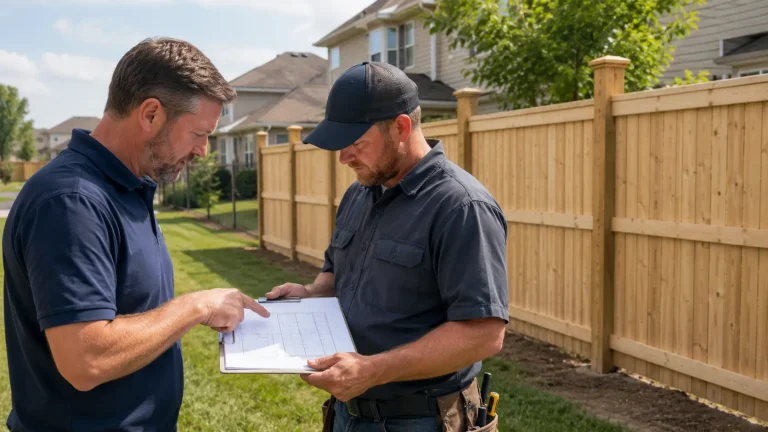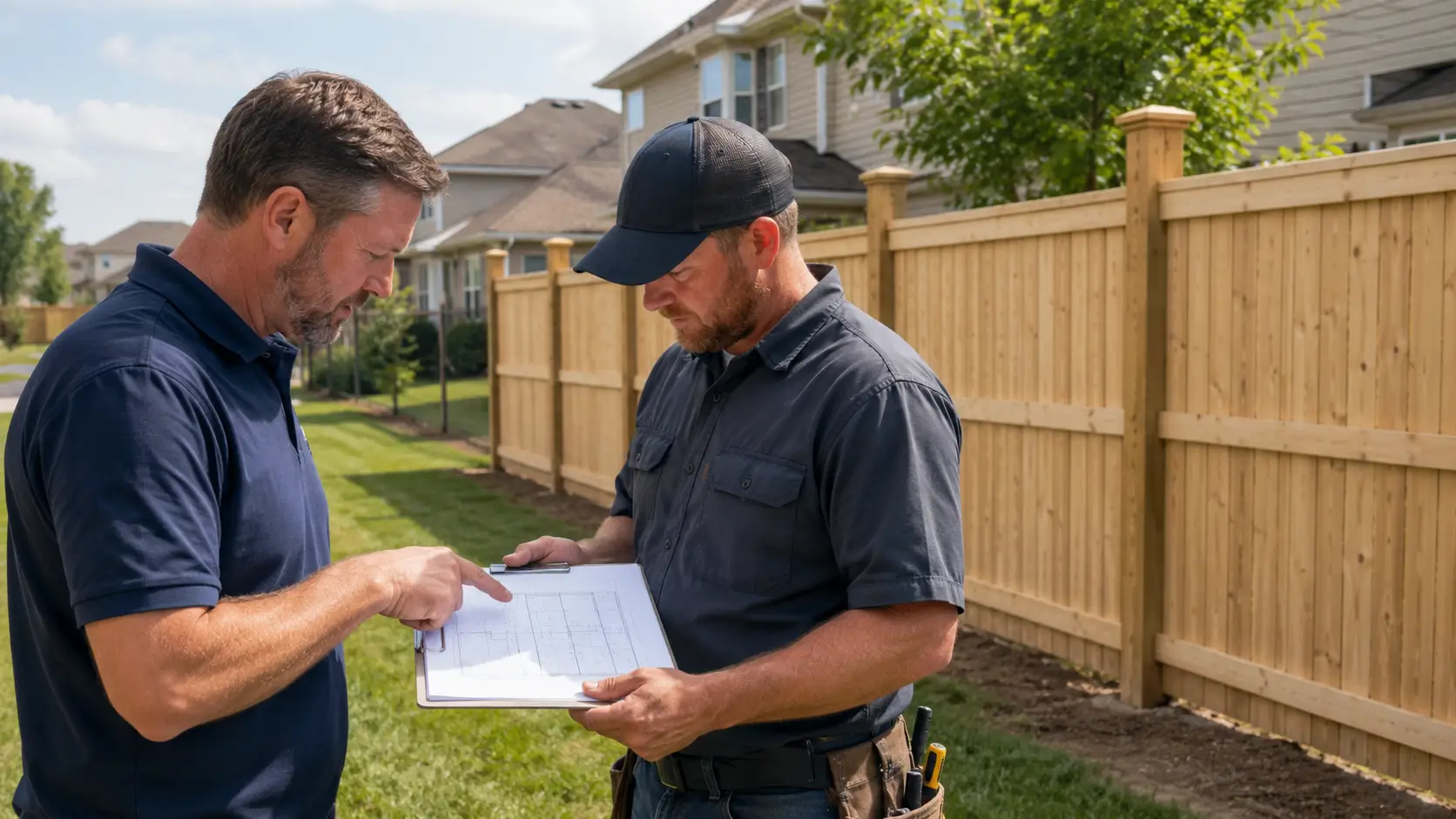
Planning a new fence sounds simple until one question slows everything down:
Do you need a permit for a fence in St. Louis County?
The honest answer is: sometimes. It depends on where the property is located, how tall the fence will be, what the fence is being used for, and whether the home is in unincorporated St. Louis County or inside a city with its own rules.
That is why it is smart to check before any posts go in the ground. A fence that looks fine on paper can still create problems if it is too tall, too close to a property line, placed inside an easement, blocking visibility on a corner lot, or built around a pool without the right approval.
Here is what St. Louis County homeowners should know before starting a fence installation project.
Key Takeaways
- Fence permit rules in St. Louis County can depend on your exact property location.
- St. Louis County notes that a building permit is required for fences around swimming pools, spas, or hot tubs, and for fences more than 6 feet high.
- Corner lots need extra attention because fencing cannot be placed within the sight-distance triangle under St. Louis County code guidance.
- HOA rules are separate from county or city approval.
- Property lines, easements, fence height, gate placement, and pool barriers should be checked before installation.
- A local fence contractor can help you plan the layout and ask the right questions before the project starts.
So, Do You Need a Permit for a Fence in St. Louis County?
You may need a fence permit in St. Louis County depending on the details of the project.
For example, St. Louis County’s residential building information states that a building permit is required for fences around swimming pools, spas, or hot tubs, and for fences over 6 feet high.
That does not mean every basic backyard fence is handled the same way. A standard residential privacy fence, decorative fence, wood fence, vinyl fence, or chain link fence may have different requirements depending on the property address, city, subdivision, HOA, height, and layout.
The safest approach is simple: before installing a new fence or replacing an old one, confirm the rules with the correct local office for your property.
Why Fence Rules Can Change From One St. Louis County Property to Another

St. Louis County is not one single set of neighborhood conditions. A homeowner in Ballwin, Chesterfield, Kirkwood, Webster Groves, Creve Coeur, Maryland Heights, Affton, Oakville, or unincorporated St. Louis County may deal with different local requirements.
That is because some properties fall under St. Louis County jurisdiction, while others are inside municipalities with their own building, zoning, or fence rules.
This is where homeowners can get into trouble. A neighbor may say, “I did not need a permit,” but that does not automatically apply to your property. Their fence may be shorter, outside an HOA, away from a corner lot, or located in a different municipality.
Before you build, check the exact property address with the correct city, county, or local zoning office.
Fence Projects That May Need Extra Review
Not every fence project carries the same risk. Some projects are more likely to need a closer look before installation.
New Fence Installation
A new fence installation usually needs careful planning because the layout is being created from scratch. You need to consider where the fence will sit, how tall it will be, where the gates will go, and whether the fence will affect visibility, access, drainage, or easements.
Sexton Fence provides fence installation services for wood, vinyl, chain link, ornamental iron, and other fence types, with a process that includes consultation, installation, and final inspection.
Fence Replacement
Replacing an old fence may seem easier than installing a new one, but you should still verify the rules first.
This is especially true if you are changing the height, material, style, or layout. A 4-foot decorative fence being replaced with a 6-foot privacy fence may raise different questions. Moving the fence even a few feet can also affect property lines, easements, or visibility.
Pool Fencing
Pool fencing is one of the most important areas to check before installation.
St. Louis County states that a building permit is required for fences around swimming pools, spas, or hot tubs. If the fence is part of a pool barrier, do not assume a standard backyard fence automatically meets the rules.
Pool fences may need specific gate placement, barrier height, latch details, and access control. Confirm the details before choosing the layout.
Corner Lot Fencing
Corner lots need extra planning because fences can affect driver and pedestrian visibility.
St. Louis County’s code guidance states that fencing on a corner lot cannot be located within the sight-distance triangle. This matters if you want a privacy fence near a street corner, driveway, alley, or intersection.
A tall privacy fence may look good from the backyard, but if it blocks visibility near a road, it may need to be adjusted, shortened, or moved.
Front Yard or Street-Facing Fences
Front yard fences are often reviewed more closely than backyard fences because they affect curb appeal, visibility, setbacks, and neighborhood appearance.
A short decorative fence may be treated differently than a tall privacy fence near the street. Before choosing a front yard fence, check the local rules and HOA guidelines.
What Homeowners Should Check Before Installing a Fence
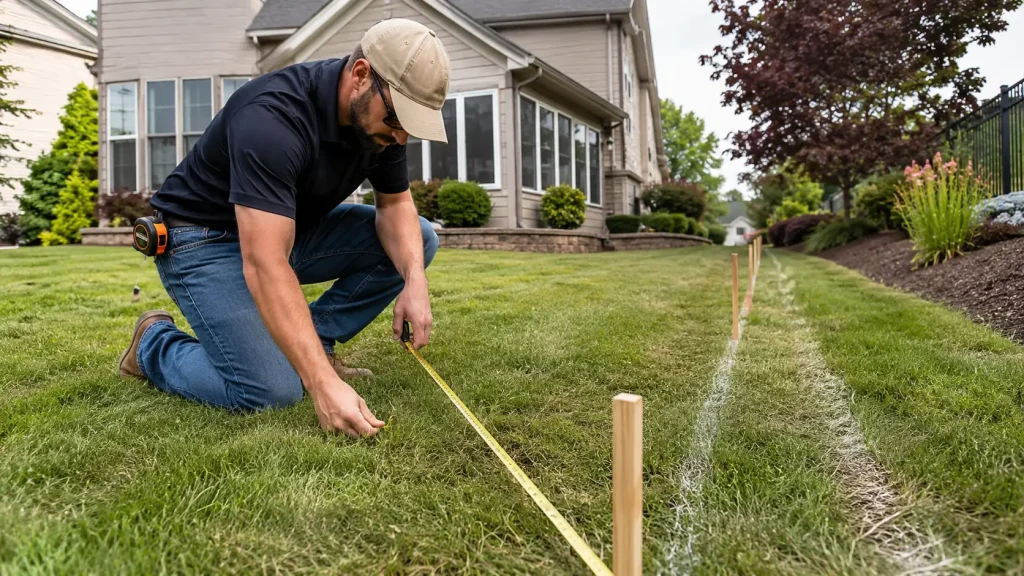
Before you ask for a fence estimate, gather the details that can affect the project. This helps avoid delays and gives your fence contractor better information.
Check these items first:
- Property address
- Fence height
- Fence material
- Fence style
- Approximate fence length
- Property line information
- Gate locations
- Corner lot visibility
- Easements or utility areas
- HOA rules
- Pool or hot tub requirements
- Neighbor boundary concerns
- Whether the property is in a city, municipality, or unincorporated county area
This does not mean you need to solve everything before calling a contractor. But the more information you have, the easier it is to plan the fence correctly.
What Can Delay a Fence Project?
Fence projects often get delayed because small details are missed early.
One common issue is not knowing the exact property line. A fence installed too far over the line can create neighbor disputes or require relocation later.
Easements are another concern. Utility companies, drainage areas, and access points may limit where a fence can go. Even if the space looks open, it may not be available for fencing.
Other delays can come from:
- HOA approval taking longer than expected
- Choosing a fence height that is not allowed
- Planning a privacy fence too close to a street corner
- Not checking pool barrier requirements
- Changing the fence material after approval
- Installing gates where access is limited
- Assuming the old fence location is automatically correct
The best time to catch these issues is before materials are ordered and posts are installed.
What Should You Prepare Before Calling a Fence Contractor?
You do not need a perfect plan before reaching out, but having a few details ready will make the estimate more useful.
Prepare the following if possible:
- Your property address
- The reason for the fence: privacy, pets, pool, security, curb appeal, or boundary marking
- The type of fence you are considering
- Your preferred height
- Photos of the yard
- Approximate fence length
- Gate locations
- Survey or property line information, if available
- HOA requirements, if you have them
- Any concerns about slopes, trees, drainage, or old fence removal
Sexton Fence’s website describes a simplified fence installation process that starts with consultation, followed by installation and final inspection. That consultation step is where layout, material, and project goals should be discussed before installation begins.
Can a Fence Contractor Help With Permit Questions?
A fence contractor can help you think through the project, but they should not replace the local permit office.
A good contractor can help identify common issues, such as fence height, corner lot visibility, gate placement, pool barriers, and property line concerns. They can also help you prepare better questions for the city, county, HOA, or zoning office.
Sexton Fence offers fence installation, vinyl fence installation, wood fence installation, fence repair, gate installation, and gate repair services in St. Louis and surrounding areas. The company also lists service areas across communities such as Ballwin, Eureka, High Ridge, Fenton, Arnold, Kirkwood, Wildwood, Webster Groves, Des Peres, Sunset Hills, Clayton, Maryland Heights, and Creve Coeur.
If you are planning a fence in St. Louis County, working with a local contractor can help you avoid obvious layout mistakes before they become expensive corrections.
Final Thoughts: Check First, Build Once
A fence is not something you want to install twice.
Before building a fence in St. Louis County, check the permit rules, zoning requirements, HOA guidelines, property lines, easements, and any special conditions like pools or corner lots. The answer may not be the same for every home, even within the same county.
If you are planning a wood, vinyl, chain link, privacy, or gate project in St. Louis County, Sexton Fence can help you review your fence goals, discuss layout options, and prepare for the next step.